
In the big black bin beg
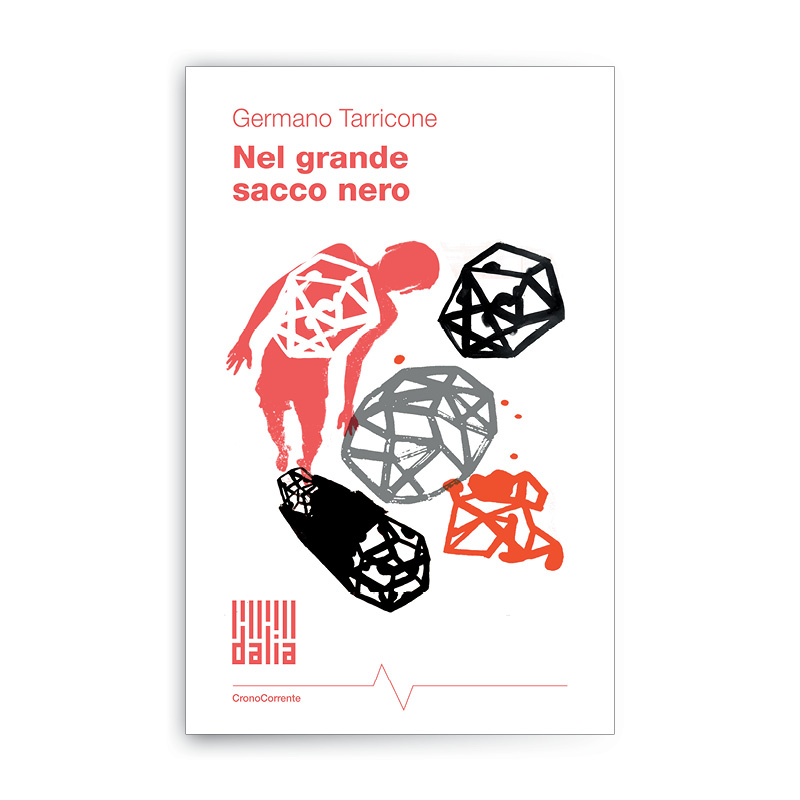
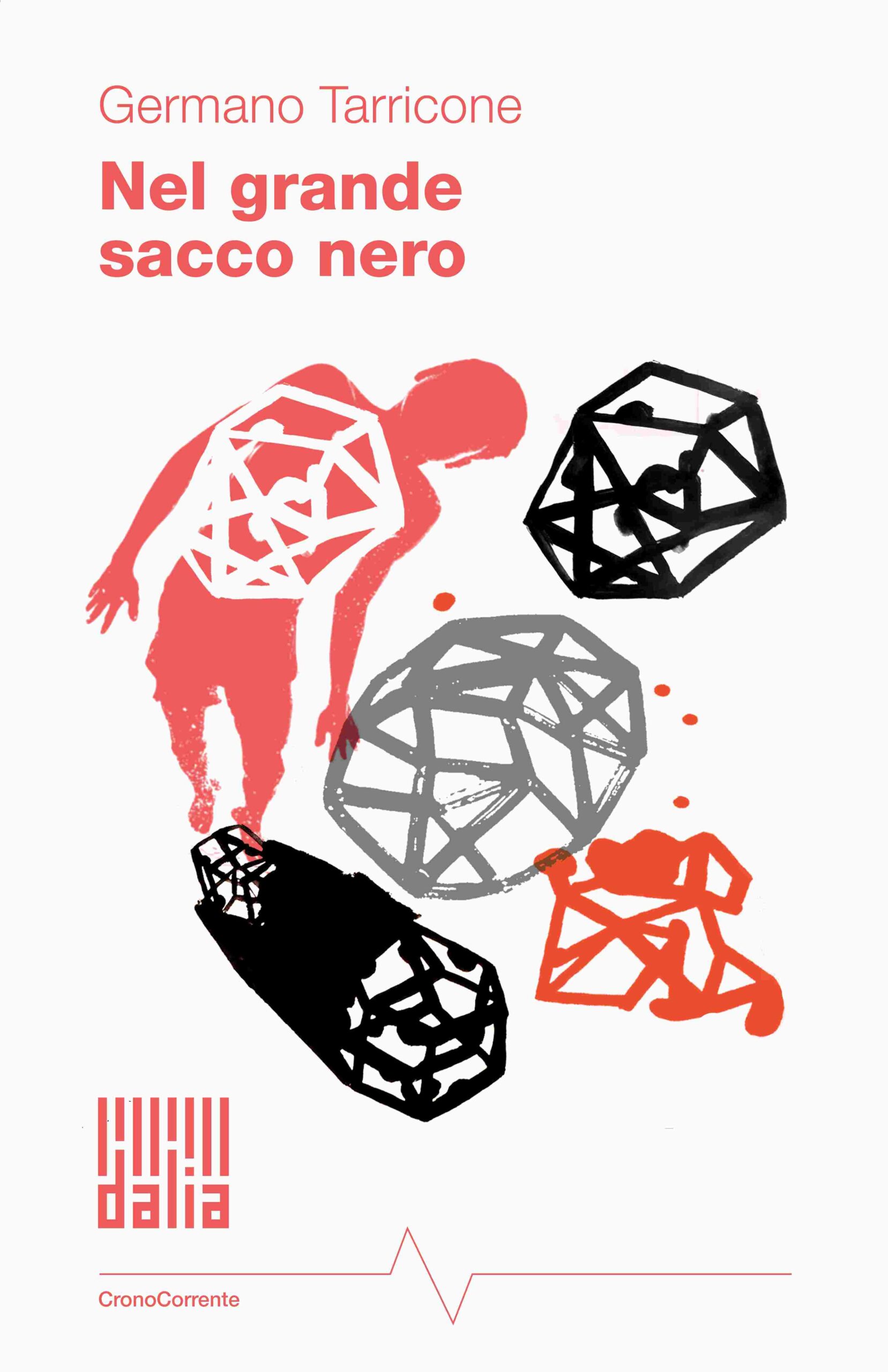
Nel grande sacco nero
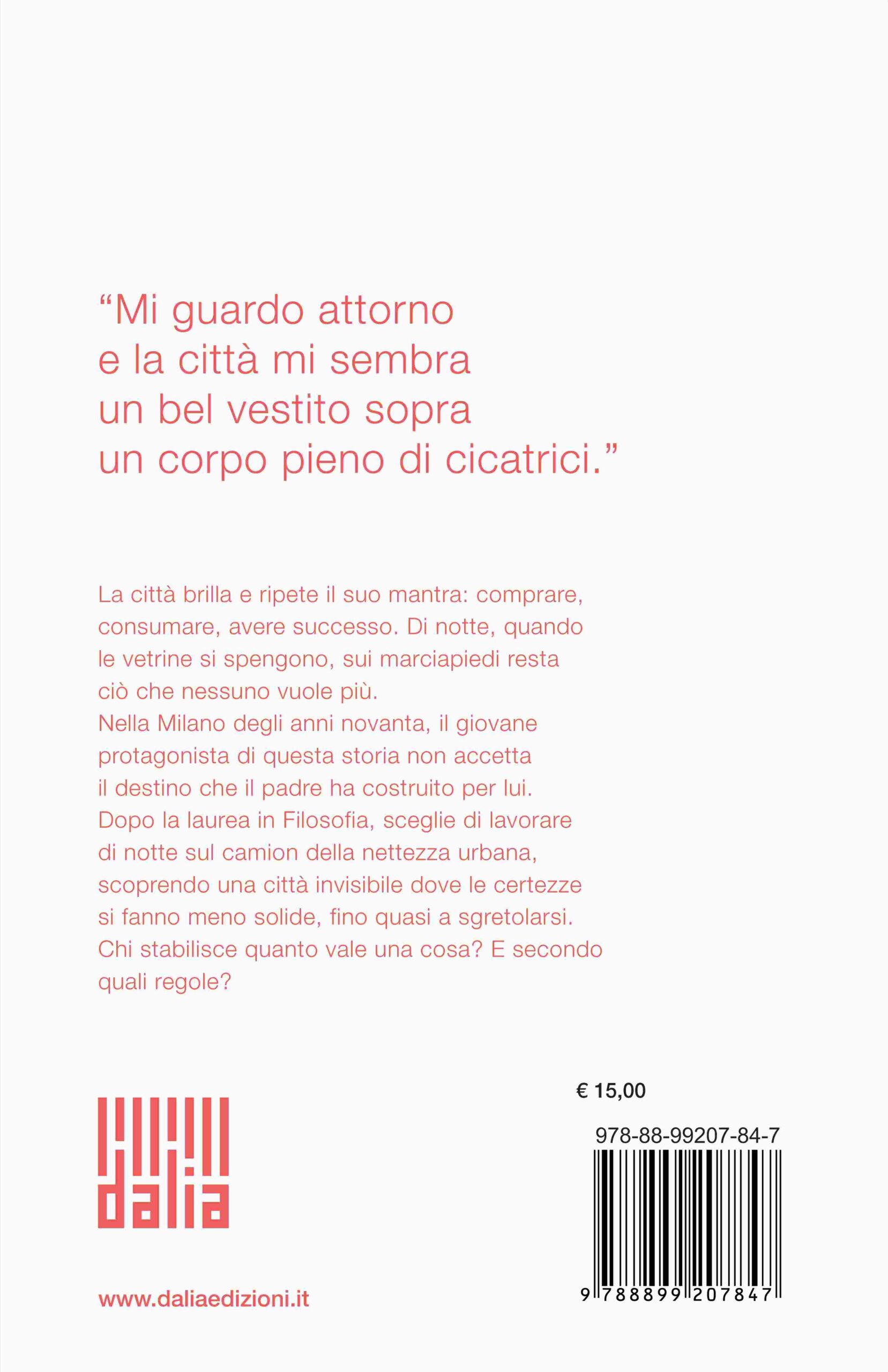
“I look around me and the city seems to me like a beautiful dress draped over a body covered in scars.”
The city glitters and repeats its mantra: buy, consume, succeed. At night, when the shop windows go dark, what remains on the pavements is what nobody wants any more.
In 1990s Milan, the young protagonist of this story refuses to accept the fate his father has mapped out for him. After graduating with a degree in Philosophy, he chooses to work nights on a refuse collection lorry, discovering an invisible city where certainties become less solid, almost to the point of crumbling.
Who decides how much something is worth? And according to what rules?
| Autor | Germano Tarricone |
|---|---|
| ISBN | 978-88-99207-84-7 |
| Serie | Crono corrente |
| Pages | 168 |
| Literary Category | Narrativa letteraria |
| Print size | 13.5×21 cm |
About
A grandfather setting out towards death alongside the zoo’s last elephant; a teenage brother killed during a pursuit by the Carabinieri; an all-consuming love for Federica, a rebellious artist; the philosophy of Norwegian thinker Arne Næss; and waste.
The protagonist is born on 12 December 1969, the day of the Piazza Fontana bombing. He grows up in Milan during the 1970s and 1980s, when a generation sets out to change the world. He comes of age in Berlusconi-era Milan, when the world seems to have found a simple answer to everything: consume, possess, succeed.
Rejecting this notion of value, the protagonist chooses to work night shifts on a municipal refuse collection truck. In doing so, he discovers an invisible Milan, the city that emerges when shop windows go dark and the streets reveal their waste.
“They are not rubbish. They never were. They were simply in the wrong place at the wrong time. Just like me.”
Contact us
In the big black bin beg
“I look around me and the city seems to me like a beautiful dress draped over a body covered in scars.”
The city glitters and repeats its mantra: buy, consume, succeed. At night, when the shop windows go dark, what remains on the pavements is what nobody wants any more.
In 1990s Milan, the young protagonist of this story refuses to accept the fate his father has mapped out for him. After graduating with a degree in Philosophy, he chooses to work nights on a refuse collection lorry, discovering an invisible city where certainties become less solid, almost to the point of crumbling.
Who decides how much something is worth? And according to what rules?
Nel grande sacco nero
| Autor | Germano Tarricone |
|---|---|
| ISBN | 978-88-99207-84-7 |
| Serie | Crono corrente |
| Pages | 168 |
| Literary Category | Narrativa letteraria |
| Print size | 13.5×21 cm |
€6.99 – €17.00
About
A grandfather setting out towards death alongside the zoo’s last elephant; a teenage brother killed during a pursuit by the Carabinieri; an all-consuming love for Federica, a rebellious artist; the philosophy of Norwegian thinker Arne Næss; and waste.
The protagonist is born on 12 December 1969, the day of the Piazza Fontana bombing. He grows up in Milan during the 1970s and 1980s, when a generation sets out to change the world. He comes of age in Berlusconi-era Milan, when the world seems to have found a simple answer to everything: consume, possess, succeed.
Rejecting this notion of value, the protagonist chooses to work night shifts on a municipal refuse collection truck. In doing so, he discovers an invisible Milan, the city that emerges when shop windows go dark and the streets reveal their waste.
“They are not rubbish. They never were. They were simply in the wrong place at the wrong time. Just like me.”